
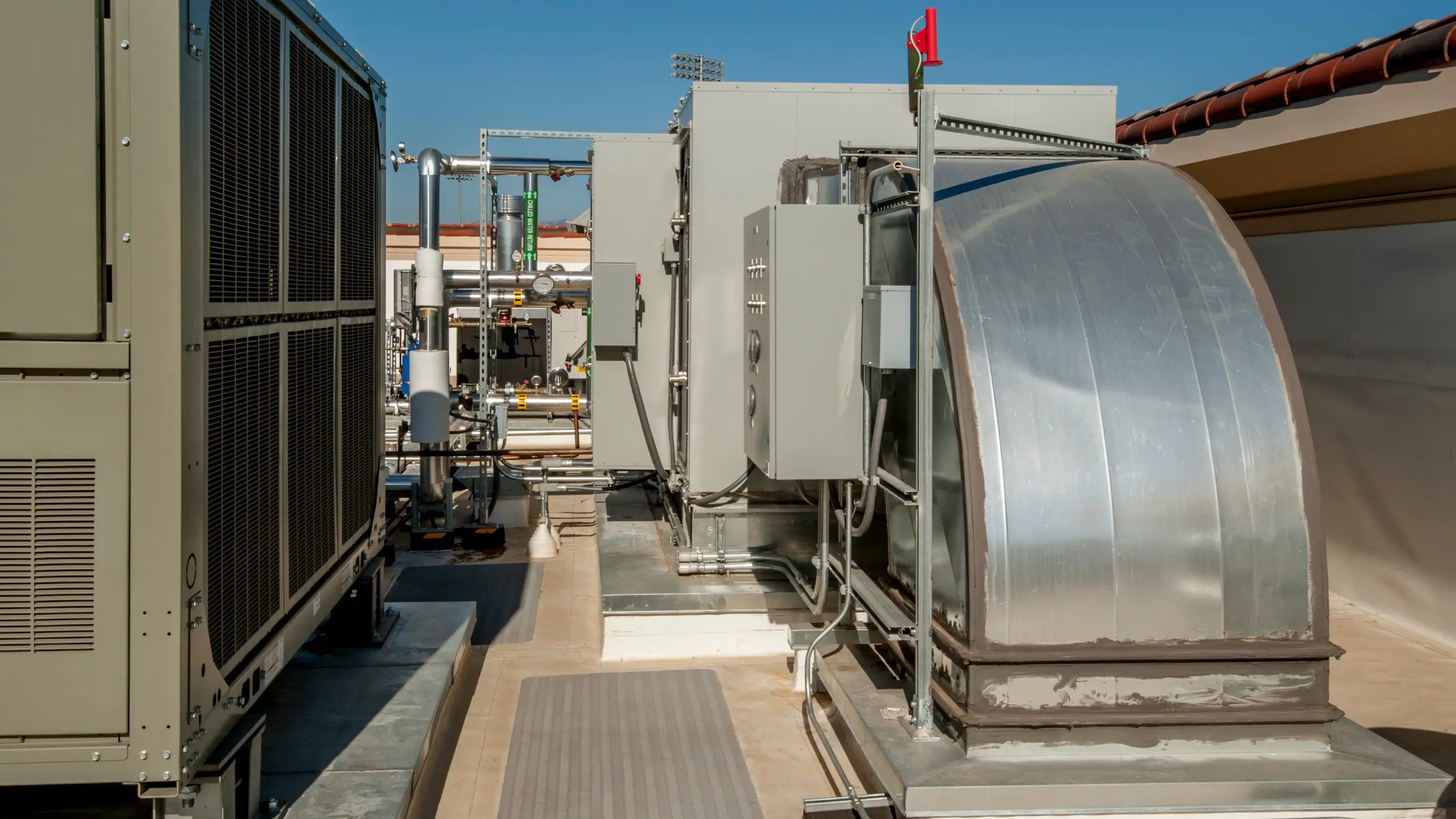
Thermodynamics: Principles and Applications in HVAC Systems
Understanding the Basics of Thermodynamics In this section, we delve into the foundational concepts of thermodynamics, such as heat transfer, energy conversion, and the laws of thermodynamics. We explore how these principles form the basis for HVAC system design and operation.
The Role of Thermodynamics in HVAC System Design Here, we discuss how thermodynamics influences the design process of HVAC systems. Topics include load calculations, equipment selection, and the considerations for optimizing energy efficiency and occupant comfort.
Refrigeration Cycles: Powering Cooling Systems Refrigeration cycles are vital for cooling in HVAC systems. We explore the different types of cycles, including vapor compression and absorption, and discuss their applications in air conditioning and refrigeration units.
Heating Systems and Thermodynamics Heating systems rely on thermodynamic principles for effective operation. We examine various heating technologies, such as furnaces, boilers, and heat pumps, and explain how thermodynamics influences their performance and efficiency.
Efficiency and Energy Management in HVAC Systems In this section, we highlight the significance of thermodynamics in optimizing energy efficiency in HVAC systems. We discuss strategies for heat recovery, system controls, and the integration of renewable energy sources.
Thermodynamics and Indoor Air Quality Thermodynamics plays a crucial role in maintaining indoor air quality. We explore how ventilation, air distribution, and humidity control are influenced by thermodynamic principles, ensuring a healthy and comfortable indoor environment.
Troubleshooting HVAC Systems with Thermodynamics Understanding thermodynamics is essential for troubleshooting HVAC systems. We provide insights into diagnosing common issues, identifying thermodynamic imbalances, and implementing effective solutions.
Future Trends and Innovations in Thermodynamics and HVAC As technology advances, new possibilities emerge. We discuss the future of thermodynamics in HVAC systems, including advancements in energy storage, smart controls, and sustainable refrigerants.
By exploring the principles and applications of thermodynamics in HVAC systems, we gain a deeper understanding of how these systems function and how to optimize their performance for energy efficiency, comfort, and sustainability.