

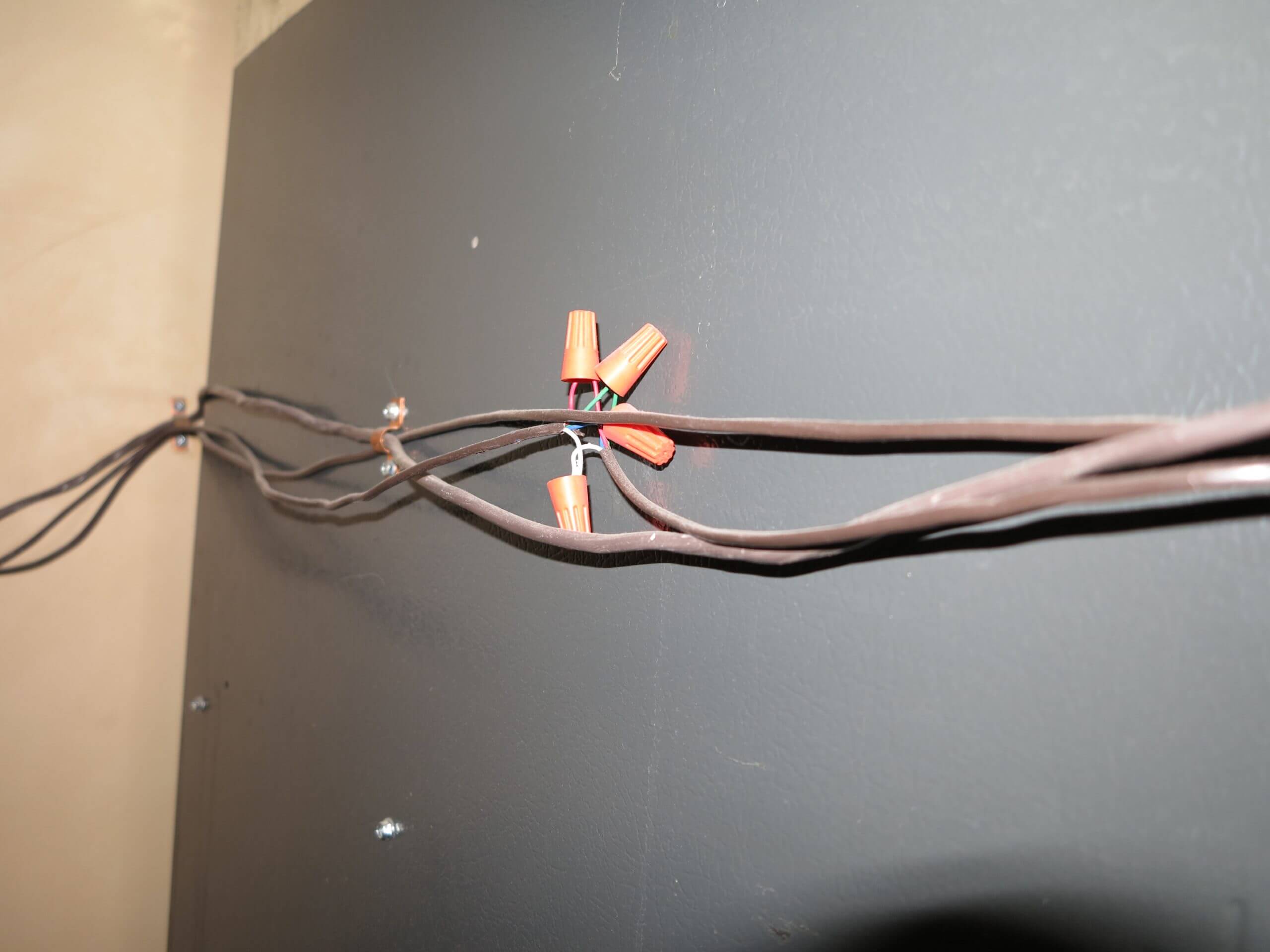
If there’s one thing I’ve learned in my 32 years as an HVAC technician, it’s that you can’t take wire nut connections for granted. I’ll never forget the time I was called to an elderly couple’s home because their air conditioner suddenly stopped working on the hottest day of the summer.
After some troubleshooting, I isolated the issue down to a loose wire nut in the condenser unit’s electrical panel. One of the power supply wires must have vibrated loose over months of operation.
Thankfully I caught it before any real damage occurred, but it could have easily caused a short and blown fuse. A quick re-tightening of the wire nuts and the AC kicked back on, good as new. But the whole situation got me thinking about how overlooked loose electrical connections can cause all sorts of preventable problems.
Best time to schedule fall hvac maintenance
Why Wire Nuts Come Loose Over Time
There’s a few common reasons wire nuts can loosen up and require re-tightening:
Vibration from HVAC Components
All the moving parts in HVAC equipment – fan motors, compressors, blower motors – create vibration. This constant shaking can slowly loosen nuts over months or years of operation. High vibration areas are especially prone to issues.
Thermal Expansion and Contraction
As electrical currents flow and things heat up and cool down, the metal wires expand and contract ever so slightly. This cyclic movement can cause connections to shift and loosen. The effect worsens with higher current loads.
Improper Installation
Sometimes wire nuts just aren’t put on right in the first place. Rushing through the job and not giving them a solid final twist can leave them not fully secured. Using the wrong size nut for the wire gauge or failing to fully twist wires together is also problematic.
Learn About HVAC Winter Mainenance
The Dangers of Allowing Loose Connections
It’s easy to ignore a slightly loose wire nut, but that complacency can lead to serious and dangerous consequences down the road:
Arcing/Sparks/Fires
Probably the most severe result of loose electrical connections is arcing or sparks as current jumps between loose contacts. This extreme heat can ignite nearby materials and cause fires in walls and equipment.
Power Loss to Components
As vibrations worsen, a loose connection can completely break contact intermittently. This leads to power loss to blowers, compressors, and other vital components, causing HVAC failure.
System Failure at Inopportune Times
One of the worst times for an HVAC system to go down is when it’s needed most – the peak of summer or winter. But loose connectors often fail under high electrical loads when systems run the most.
Higher Costs from Damage
From blown fuses to fried circuit boards to burned out motors, loose wire nuts can lead to costly HVAC repairs or replacements. Not to mention damage from fires. A little proactive maintenance goes a long way.
Regularly Inspecting Wire Nut Integrity
To avoid loose connection issues, wire nuts should be periodically inspected as part of routine maintenance:
Visual Inspection
Visually check each wire nut for any outward signs of looseness like rust or discoloration. Give each nut a light wiggle to check for looseness. Also look for any darkened/melted spots indicating heat damage.
Gentle Tug Test
After cutting power, grab each wire exiting a nut and give it a light steady tug. If it slides out too easily, it likely needs re-tightened. Don’t yank too hard though!
Thermal Imaging
Use a thermal camera to scan electrical panels, junction boxes, etc. Loose connections often show up as hotspots that can be caught before any real damage occurs.
Steps for Properly Re-Tightening Loose Wire Nuts
If you discover any loose wire nuts, here’s the proper procedure to get them re-secured:
Cut Power and Use PPE
Safety first! Make sure power is disconnected and put on personal protective equipment like insulated gloves and eye protection.
Unscrew, Clean and Realign Wires
Unscrew the loose nut and slide it off the wires. Use wire brushes or sandpaper to clean any corrosion off wires. Realign wires if needed so they lay parallel.
Twist Wires Clockwise
With wires aligned evenly, twist them clockwise so they wrap tightly together. This helps make better contact when nut is reinstalled.
Fully Tighten Nut
Screw the nut back on clockwise and hand-tighten fully until snug. Then give an extra quarter turn with pliers to ensure a tight connection.
No Exposed Copper
Double check that no bare copper wire is exposed outside of the nut. All strands should be contained for safety.
Proactive Maintenance Prevents Issues
Beyond just fixing problems as they occur, technicians should be proactive to prevent loose connections in the first place:
Regular Inspections
Get in the habit of inspecting wire nut integrity every 3-6 months as part of routine maintenance. Catch issues early before they escalate.
Replace Old or Corroded Nuts
Any nut that shows corrosion or excessive heat damage should be replaced to ensure solid connections.
Use Locking Nuts in Vibration-Prone Areas
For connections subject to high vibration, use twist-on wire nuts with embedded seals or plastic locks to prevent loosening.
Avoid Undersized or Oversized Nuts
Using a properly sized nut for the wire gauge and number of conductors is critical for a tight connection.
Conclusion
In my experience, a little vigilance goes a long way when it comes to monitoring and maintaining sound wire nut connections in HVAC systems. Taking time to properly inspect and tighten connections during maintenance saves a ton of headaches down the road. It’s one of the easiest but most overlooked things technicians can do to improve safety and reliability for their customers.
So be sure to keep an eye out for loose nuts, follow proper tightening techniques, and take preventative measures like locking nuts or regular inspections. Proper wire nut installation is essential not just during repairs, but as an ongoing best practice. Your customers and their HVAC systems will thank you for it!