
Unlocking the Power of Oil Heating: Essential Insights for You and Your Business
As a prospective business, there are numerous factors to consider when renting or purchasing a new building for your business. In addition to the layout, roof condition, and appliance age, it’s crucial to understand the heating source of the property. Some places rely on natural gas, electricity, or oil for heating.
If you’re considering buying an office space with oil heating but have never experienced it before, you may have questions about how it works, the cost of keeping your offices warm, the required maintenance, and whether it’s a safe option. In this blog post, we’ll explore these topics to help you make an informed decision.
How Does Oil Heating Work?
Before renting or buying an office space with oil heating, it’s essential to understand the basics of how the system operates. Here are the key components and their functions:
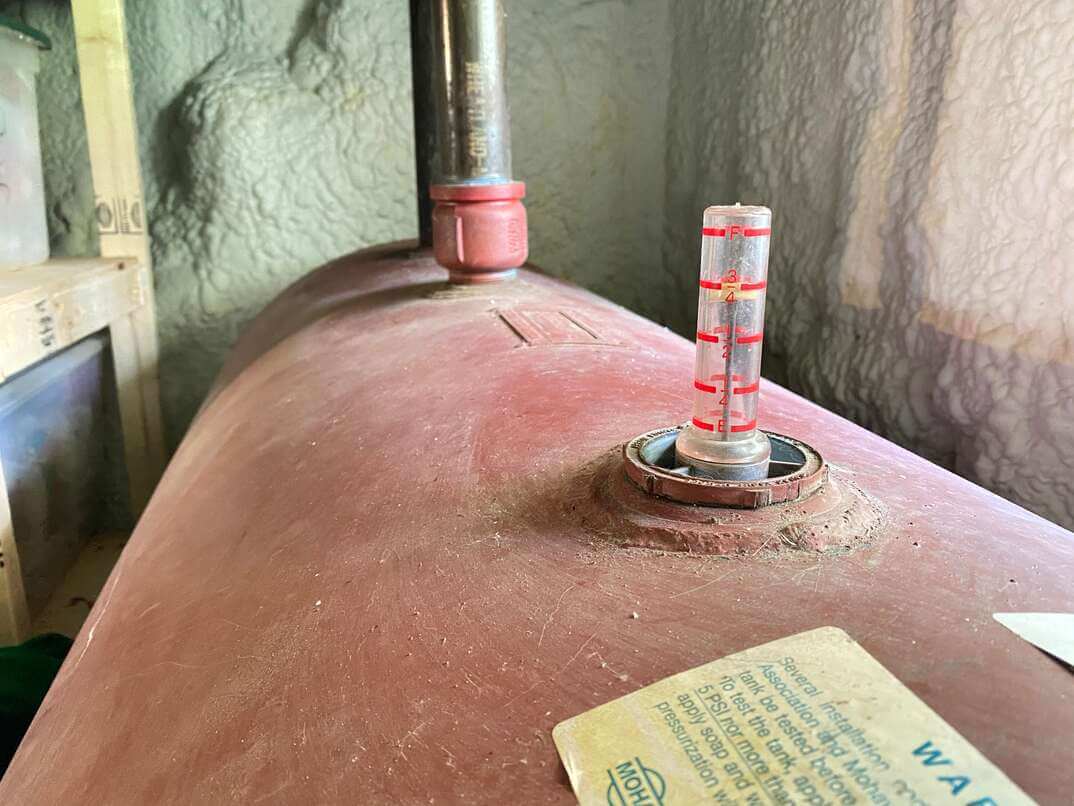
- Oil Tank: An oil tank stores the oil used for heating. It can be located inside the house, outside, or even buried underground.
- Fuel Pump: The fuel pump moves oil to the combustion chamber when heat generation is required.
- Combustion Chamber: This is where the oil is ignited, producing heat. It’s important to note that it’s the heat from the burning oil, not the oil itself, that warms the home.
- Thermostat: Like other heating systems, an oil heating system includes a thermostat to monitor the room temperature and activate the system when the temperature drops below the set level.
- Distribution System: Different oil heating systems work in various ways. Some draw in cold air from inside the house, pass it through a heat exchanger to warm it up, and release it back into the home. Others circulate heated water through pipes to radiators or baseboard heaters.
Is Oil Heating Safe?
Safety is a significant concern for homeowners considering oil heating. Here are some important points to keep in mind:
– Oil heating is generally safe. The oil won’t burn unless it’s inside the heating furnace, so the oil tank itself is not at risk of causing a fire.
– Oil is non-toxic, but there is a slight risk of carbon monoxide (CO) in homes with oil or gas heat. Installing carbon monoxide detectors can provide an early warning in case of a leak.
– If you notice signs of a potential CO leak, such as smoke, strange odors, or soot, it’s essential to leave the home immediately and contact a professional.
Is Oil Heating Bad for the Environment?
When considering the environmental impact of oil heating, it’s important to consider both the burning of oil and the extraction and transport processes. Here are some key points:
– Oil is a fossil fuel with high energy density, but advancements in oil-burning technology have made it 90% cleaner than several decades ago.
– Heating oil contributes to less than half a percent of particulate emissions.
– However, the extraction and transport of oil can have negative environmental impacts, such as adding toxic particles to drinking water and the threat of oil spills.
– Oil is not a renewable resource, so if reducing your environmental footprint is a priority, other heating options may be worth considering.
Is Oil Heating More Expensive?
The cost of heating a home with oil can vary based on factors such as outdoor temperatures, thermostat settings, and home size. Here are some general observations:
– Natural gas is typically the least expensive option for heating.
– Geothermal and air source heat pumps are also more cost-effective than oil heating.
– Fuel oil furnaces are usually the most expensive option, costing slightly more than electric furnaces.
– To lower your heating bill with oil heat, consider adjusting the thermostat settings and investing in a programmable smart thermostat.
What Type of Maintenance Do Oil Heating Systems Require?
Proper maintenance is crucial for the efficient and safe operation of an oil heating system. Here are some maintenance tasks to consider:
– Service your oil furnace at least once a year, or twice a year in extremely cold areas.
– Regular servicing ensures safety, efficiency, and proper airflow throughout the home.
– Maintenance tasks include cleaning the combustion chamber, checking the flue pipe, changing filters, testing the burner’s efficiency, and cleaning vents.
– It’s recommended to hire a professional technician for these maintenance tasks to ensure proper inspection and identify potential issues.
How Long Does an Oil Tank Last?
The lifespan of an oil tank depends on its location. Here are some average estimates:
– Indoor, above-ground tanks have the longest lifespan, typically lasting about 25 years.
– Outdoor above-ground tanks also have a long lifespan but may not last as long as indoor tanks.
– Underground tanks tend to have the shortest lifespan, lasting around 15 years on average.
– Signs of a failing oil tank include condensation, leaks, rust, corrosion, and increased oil consumption.
Can You Move an Oil Tank Outside?
While it’s possible to move an oil tank outside, there are factors to consider before making this decision:
– Outdoor tanks may require more frequent replacement due to exposure to the elements.
– Outdoor tanks can be susceptible to rust, damage, and instability caused by settling into the ground.
– Indoor tanks are protected from the elements and major temperature shifts.
– Consider the potential damage to belongings in case of an oil leak inside the home.
How Often Do You Need to Order More Oil?
The frequency of ordering more oil depends on various factors, such as outdoor temperatures, insulation quality, and personal preferences. Here are some guidelines:
– When your tank reaches around one-quarter full, contact your supplier to schedule a delivery.
– Monitor your oil usage to estimate how long a tank will last based on average daily consumption.
– Warmer days may require as little as two gallons of oil every 24 hours, while colder days may require around 7.8 gallons.
Can You Convert a Home with Oil Heat to Electric or Natural Gas?
If you prefer not to use oil heating, it is possible to convert a home to electric heat or natural gas. Consider the following:
– Natural gas is generally the least expensive option and is considered cleaner than oil.
– Electric heat doesn’t require additional lines