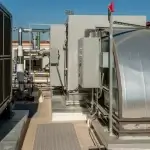


The Methodical AC Repair Process
Having your air conditioner stop working unexpectedly can be frustrating, especially heading into the dog days of summer. But while a broken AC unit may seem like a catastrophe, experienced AC repair technicians follow a careful, systematic process to diagnose what’s wrong and get you back to staying cool in no time.
Understanding the methodical, professional AC repair process can give you peace of mind that your system is in good hands. In this article, we’ll walk through the typical steps an AC technician takes to troubleshoot issues and make necessary repairs.
Step 1: Verify the Problem
The first step any reputable AC repair technician will take is to verify the exact problem you’re experiencing. They’ll ask questions like:
Is no cold air coming out of the vents at all, even when you set the thermostat as low as possible?
Is some cool air coming out but not enough to keep you comfortable?
Have you noticed any strange smells or noises coming from the AC unit?
Thoroughly verifying the symptoms helps the technician begin forming an action plan for diagnostics and repairs. They can also advise if immediate fixes like cleaning filters or clearing debris from vents might resolve some basic issues before deeper troubleshooting.
Proper problem verification ensures no steps get missed when it comes to accurately diagnosing AC problems.
Step 2: Visual Inspection
The next methodical step is a thorough visual inspection of the full AC system inside and out. The technician will check for any noticeable issues like:
- External Damage
- Dents or cracks in exterior metal casing
- Damaged exterior insulation
- Debris or nests blocking condenser unit
- Internal Damage
- Leaks, holes or cracks in refrigerant lines
- Burnt out fan motor
- Faulty compressor
- Debris buildup on coils
A meticulous visual inspection can often reveal obvious issues like damaged coils or loose fittings without requiring complex electrical testing or refrigerant checks.
Step 3: Electrical Diagnostics
If no problems are readily apparent from the visual inspection, the next phase is electrical diagnostics. The technician will use a multimeter and other tools to methodically check:
- Power Supply
- Voltage to the unit and each component (compressor, blower, etc.)
- Integrity of fuses, breakers, wiring
- Thermostat
- Proper thermostat settings
- Correct thermostat wiring
- Thermostat calibration
- Safety Switches
- High and low pressure switches (to protect system)
- Compressor contactor (starts/stops)
- Time delay controls
Many AC problems stem from electrical faults, so this diagnostic step is crucial to finding solutions.
Step 4: Refrigerant System Check
The technician will also conduct a thorough examination of the AC unit’s closed refrigerant system, including:
- Refrigerant Levels
- Checking refrigerant pressures with gauges
- Detecting any low refrigerant issues
- Locating leaks causing low refrigerant
- Components
- Inspecting the compressor, valves, evaporator, condenser
- Checking for restriction/blockages
- Assessing maintenance needs
Proper refrigerant flow and functioning components are essential for delivering cool air. Refrigerant tests help pinpoint issues.
Step 5: Airflow Verification
The final key diagnostic step is confirming adequate airflow, vital for transferring cool air. Checks include:
- Filter cleanliness
- Duct blockages
- Blower motor functionality
- Vent and intake blockages
- Proper vent sizing/design
- Free airflow is critical. Technicians methodically ensure no issues are present.
Making Repairs
With diagnostics complete, the technician can now methodically address any issues uncovered during troubleshooting. Repairs may involve:
- Recharging refrigerant
- Fixing refrigerant leaks
- Replacing damaged components
- Cleaning condenser/evaporator coils
- Fixing electrical problems
- Clearing blockages
- Sealing duct leaks
Proper repairs require meticulous attention to detail to fix all issues and restore cooling functionality.
Follow-up Verification
The final step technicians take is follow-up verification after repairs are complete. They will:
- Retest electrical components
- Confirm refrigerant levels
- Measure system pressures
- Verify airflow pathway cleared
- Check thermostat calibrations
Confirm cool air reaches all vents
Careful follow-up ensures all previous issues are fully resolved before the job is done.
Stay Cool with Methodical Repair
While a malfunctioning AC unit can be disruptive and uncomfortable, experienced AC repair technicians follow a meticulous, systematic process to diagnose and address the problem. Knowing the step-by-step methodology technicians use to troubleshoot issues can give you confidence they’ll be thorough and efficient in getting your system running right once again. With methodical AC repair diagnostics, you’ll stay cool all summer long.