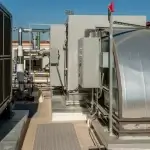


Explore the exciting advancements in the HVAC industry that are shaping a more sustainable and eco-friendly future. Discover how innovative technologies and practices are revolutionizing heating, ventilation, and air conditioning systems, ensuring energy efficiency and reduced environmental impact.
Introduction To HVAC
The HVAC industry is undergoing a transformative journey towards a greener and more sustainable future. With increasing emphasis on energy efficiency and environmental impact, innovative technologies and practices are revolutionizing heating, ventilation, and air conditioning systems. In this article, we delve into the exciting advancements shaping the future of HVAC, paving the way for a more eco-friendly world.
Smart HVAC Systems and Automation
Smart HVAC systems are at the forefront of revolutionizing the industry. These intelligent systems utilize advanced sensors, machine learning, and automation to optimize energy consumption based on real-time data. By analyzing factors such as occupancy, weather conditions, and indoor air quality, smart HVAC systems can adjust settings dynamically, resulting in significant energy savings. Moreover, remote monitoring and control capabilities allow for proactive maintenance and troubleshooting, reducing downtime and optimizing performance. The integration of artificial intelligence and Internet of Things (IoT) technology has propelled HVAC automation to new heights, offering unparalleled comfort, efficiency, and sustainability.
High-Efficiency Equipment and Renewable Energy Integration
Energy-efficient HVAC equipment is crucial for reducing carbon emissions and minimizing energy consumption. Manufacturers are continuously developing high-efficiency furnaces, air conditioners, heat pumps, and ventilation systems that surpass industry standards. These cutting-edge technologies utilize advanced components and optimized designs to deliver superior performance while consuming less energy. Additionally, integrating renewable energy sources, such as solar or geothermal, with HVAC systems further enhances their sustainability. Renewable energy integration reduces reliance on fossil fuels, decreases greenhouse gas emissions, and promotes a cleaner environment.
Indoor Air Quality and Ventilation Innovations
Indoor air quality (IAQ) has a profound impact on occupants’ health and well-being. HVAC systems are incorporating innovative features to enhance IAQ and ventilation. Air purification technologies, such as advanced filtration systems and UV germicidal lights, help eliminate contaminants, allergens, and pathogens, ensuring cleaner and healthier indoor environments. Ventilation systems are also being designed to optimize fresh air exchange while maintaining energy efficiency. Heat recovery ventilators (HRVs) and energy recovery ventilators (ERVs) help mitigate energy loss by transferring heat or moisture between incoming and outgoing air streams, improving indoor air quality without sacrificing energy savings.
Sustainable Refrigerants and Green Practices
The phase-out of environmentally harmful refrigerants, such as hydrochlorofluorocarbons (HCFCs) and chlorofluorocarbons (CFCs), has spurred the adoption of eco-friendly alternatives. New-generation refrigerants, such as hydrofluorocarbons (HFCs), hydrofluoroolefins (HFOs), and natural refrigerants like carbon dioxide (CO2) and ammonia (NH3), have lower global warming potentials and ozone depletion potentials. HVAC systems are transitioning to these sustainable refrigerants, reducing their impact on climate change. Additionally, green practices like proper system sizing, regular maintenance, and energy audits help optimize HVAC performance and minimize energy waste, further contributing to a greener future.
Conclusion
The HVAC industry is embracing innovation and sustainability to create a greener world. Smart HVAC systems, high-efficiency equipment, IAQ enhancements, and sustainable refrigerants are reshaping the industry, promoting energy efficiency, and reducing environmental impact. By embracing these advancements, we can achieve a more sustainable future without compromising comfort and well-being.