

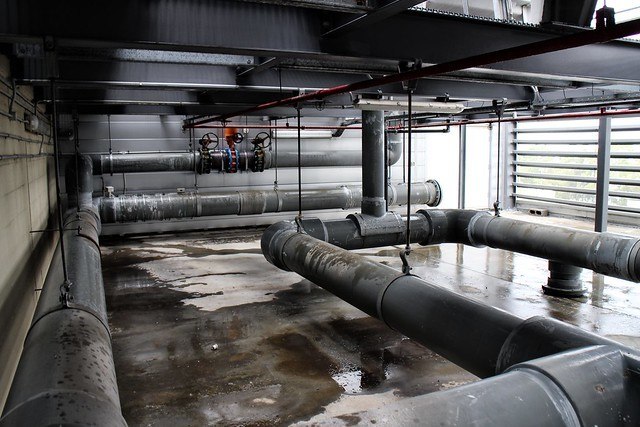
Understanding the Role of Mechanical Contractors
Mechanical contractors play a crucial role in construction industry, specializing in the installation, repair, and maintenance of mechanical systems. These systems can include heating, ventilation, air conditioning, refrigeration, plumbing, and fire protection. With their expertise in engineering and design, they ensure that these systems are installed correctly and function efficiently. Mechanical contractors also work closely with other professionals, such as architects and electricians, to ensure seamless integration into the overall construction project. In addition to installation, they provide regular maintenance and repairs, ensuring the longevity of these systems. Their attention to detail and technical know-how make them indispensable for any construction project, guaranteeing optimal comfort and safety within the built environment.
Mechanical Contractors: Understanding the Scope of Services
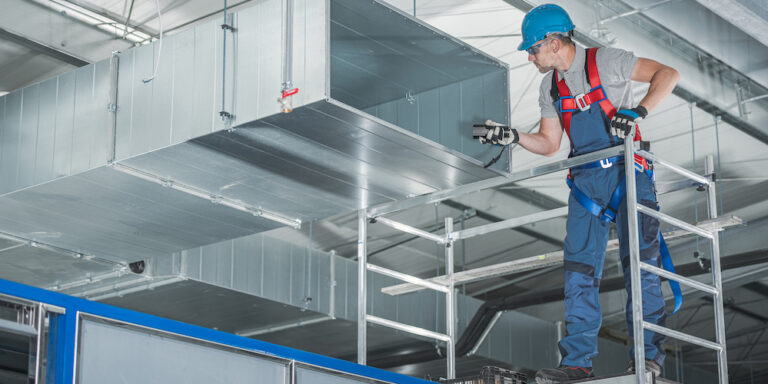
Mechanical contractors are professional companies or individuals specializing in providing various services related to mechanical systems in buildings and structures. They work in construction projects, providing valuable expertise and knowledge in designing, installing, maintaining, and repairing HVAC (heating, ventilation, and air conditioning) systems, plumbing systems, and other mechanical equipment.
Understanding the scope of services that mechanical contractors offer is essential in comprehending their role in a project. These contractors are responsible for assessing the needs and requirements of a building’s mechanical systems. They evaluate the capacity and efficiency of existing systems, identify potential upgrades or replacements, and design new systems if necessary. This involves understanding the building’s size, layout, and specific needs, as well as adhering to relevant building codes and regulations. Refererence: Occupation Handbook.
Once the design phase is complete, mechanical contractors proceed to the installation process. This entails sourcing the necessary equipment, materials, and tools, and coordinating with other contractors involved in the construction project. They ensure that the mechanical systems are properly installed, connected, and integrated into the building’s infrastructure. Additionally, they conduct thorough testing and quality assurance inspections to guarantee optimal performance and compliance with safety standards. Resource: MCAA SAfety Manual
After installation, mechanical contractors provide ongoing maintenance services to ensure the longevity and efficiency of the systems they have installed. Regular inspections, repairs, and preventive measures are performed to mitigate potential issues and optimize system performance. This includes cleaning filters, adjusting controls, lubricating moving parts, and resolving any malfunctions or breakdowns promptly. Mechanical contractors also offer emergency repair services, addressing unforeseen problems that may arise.
Furthermore, mechanical contractors provide expertise and assistance with energy optimization and sustainability initiatives. They can help identify opportunities for energy efficiency improvements, such as recommending energy-saving equipment or implementing smart control systems. By implementing these measures, mechanical contractors contribute to reducing energy consumption and minimizing the environmental impact of buildings.
Overall, the scope of services provided by mechanical contractors encompasses all aspects of mechanical systems, from initial design and installation to ongoing and repair. These professionals play a crucial role in ensuring the functionality, comfort, and safety of buildings, as well as contributing to energy efficiency and sustainability. Their expertise and comprehensive services make them invaluable partners in construction projects, providing clients with reliable and efficient mechanical solutions.
Why Hiring a Mechanical Contractor is Essential for Your Construction Project
1. Improved Efficiency: A mechanical contractor brings specialized skills and expertise your construction project. They are well-versed in the latest technologies and industry standards, ensuring that your HVAC, plumbing, and electrical systems are installed efficiently and operate at optimal performance.
2. Cost Savings: By hiring a mechanical contractor, you can save on costs in the long run. They have the knowledge to design and install energy-efficient systems, reducing your utility bills and maintenance expenses. Their experience also helps prevent costly mistakes that can arise from DIY or inexperienced approaches.
3. Compliance with Building Codes: A construction project must meet various building codes and regulations, especially concerning mechanical systems. Hiring a mechanical contractor helps ensure that your project complies with all safety and building standards, protecting you from costly fines or legal consequences.
4. Timely Project Completion: Time is of the essence in any construction project. A mechanical contractor has the experience to streamline installation processes, leading to timely completion. Their knowledge of project planning and coordination helps avoid delays, keeping your project on schedule.
5. Comprehensive Services: A mechanical contractor offers a wide range of services, including system design, installation, maintenance, and repairs. Their expertise covers HVAC systems, plumbing, fire protection, and electrical work. This comprehensive approach eliminates the need for multiple contractors, saving you time and effort in managing different vendors.
6. Accurate Cost Estimation: Estimating costs accurately is crucial for any construction project. A reputable mechanical contractor can provide you with detailed cost estimates, helping you plan your budget effectively. This transparency ensures there are no surprises or hidden expenses along the way.
7. Safety and Compliance: Mechanical systems play a vital role in maintaining a safe and comfortable environment within your construction project. Hiring a mechanical contractor ensures that your systems are installed and maintained correctly, reducing the risk of malfunctions, accidents, or health hazards for occupants.
8. Warranty and Support: Reputable mechanical contractors provide warranty on their work, giving you peace of mind in case any issues arise. Additionally, they offer ongoing support and maintenance services, ensuring that your systems operate efficiently in the long term.
9. Quality Assurance: A mechanical contractor brings expertise and experience to your project, ensuring that all work is done to the highest quality standards. Their attention to detail and commitment to excellence results in durable and reliable mechanical systems that stand the test of time.
10. Increased Property Value: Well-designed and properly functioning mechanical systems enhance the value of your property. By hiring a mechanical contractor, you can elevate the quality and efficiency of your construction project, making it more attractive to potential buyers or tenants.
What Does a Mechanical Contractor’s Day-to-Day Look Like?
A mechanical contractor’s day-to-day activities revolve around the intricate world of heating, ventilation, and air conditioning (HVAC) systems. Their mornings often begin with project planning and execution. They closely collaborate with architects and engineers to analyze blueprints, assess the project scope, and determine equipment specifications. Once on-site, they coordinate with their team to install, repair, or replace HVAC systems, ensuring they meet local codes and regulations. Their keen attention to detail allows them to problem-solve any mechanical issues that may arise during the installation process. In addition to HVAC systems, mechanical contractors also handle plumbing works, such as installing water heaters, pipes, and drainage systems.
Throughout the day, they frequently communicate with clients, providing project updates, discussing maintenance schedules, and offering energy-efficient solutions. They may also prepare cost estimates, bid on new projects, and supervise subcontractors. Safeguarding occupational safety and health, mechanical contractors enforce proper safety measures and promote clean worksites. Their commitment to ongoing professional development motivates them to attend workshops and conferences to stay updated on the latest industry advancements and regulations. A typical day for a mechanical contractor is both physically demanding and mentally stimulating, combining technical expertise, problem-solving skills, and effective project management to ensure the smooth operation of HVAC systems for various residential, commercial, and industrial buildings.
How Do You Become a Mechanical Contractor?
Becoming a mechanical contractor requires a combination of education and experience in the field of mechanical systems. Typically, individuals interested in this profession pursue a bachelor’s degree mechanical engineering or a related discipline. This academic foundation equips them with the necessary knowledge of mechanical systems, including HVAC, plumbing, and refrigeration. Gaining practical experience is also crucial, often through internships or entry-level positions. Aspiring mechanical contractors can then seek licensing requirements, which vary by jurisdiction, to legally operate in the field. Additionally, they may choose to pursue professional certifications, such as the Certified Mechanical Contractor designation, to further enhance their credentials and expertise. Establishing a network of industry contacts and staying updated on technological advancements is key to thriving as a mechanical contractor. With dedication, relevant qualifications, and a passion for mechanical systems, one can embark on a fulfilling career as a mechanical contractor.