
An HVAC system plays a crucial role in maintaining a comfortable indoor environment, be it in your office or commercial building spaces. To ensure its optimal performance and longevity, regular maintenance is essential. One common question that arises is how often an HVAC system should be tuned up. In this article, we will explore this topic and provide some valuable insights.
Understanding HVAC Tune-Ups
Before delving into the frequency of HVAC tune-ups, let’s clarify what a tune-up entails. An HVAC tune-up involves a comprehensive inspection, cleaning, and adjustment of various components within the system. This maintenance activity aims to enhance efficiency, prevent breakdowns, and extend the lifespan of the HVAC unit.
HVAC tune-ups are an essential aspect of maintaining a comfortable and efficient heating, ventilation, and air conditioning system. These regular maintenance checks are designed to ensure that the HVAC system is operating at its optimal level, providing the desired temperature and air quality throughout the year.
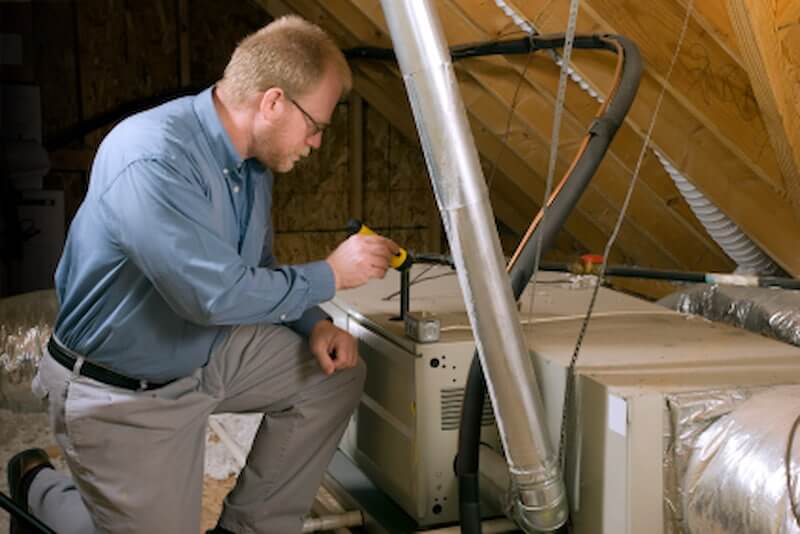
During a tune-up, a qualified technician will thoroughly inspect and clean various components of the system, including the filters, coils, and ductwork. They will also check for any potential issues or signs of wear and tear that could impact the system’s performance.
By addressing these issues promptly, HVAC tune-ups can help prevent costly breakdowns and extend the lifespan of the equipment. Additionally, regular tune-ups can improve energy efficiency, resulting in lower utility bills. Overall, understanding the importance of HVAC tune-ups is crucial for homeowners and businesses alike, as it ensures a comfortable indoor environment and maximizes the longevity of the HVAC system.
Factors Affecting Frequency
The frequency of HVAC tune-ups can vary depending on several factors. These factors include the age of the system, its usage intensity, the manufacturer’s recommendations, and local climate conditions. Let’s examine each of these factors in more detail:
1. Age of the System
Newer HVAC systems generally require less frequent tune-ups compared to older ones. As a general guideline, it is recommended to schedule a tune-up once a year for newer units. However, older systems, typically over ten years old, may benefit from semi-annual tune-ups to ensure optimal performance.
The term “Age of the System” refers to the period of time during which a particular system or technology has been in existence or in use. It is often used to describe the longevity or lifespan of a system. The age of a system can be measured in different ways, such as the number of years since its initial development or deployment, or the number of iterations or versions that have been released over time.
The age of a system is important because it can have implications for its reliability, compatibility with newer technologies, and the availability of support or updates. As technology continues to evolve at a rapid pace, the age of a system can also determine its relevance and competitiveness in the market.
2. Usage Intensity
The level of usage also affects the frequency of tune-ups. If your HVAC system operates year-round, such as in regions with extreme temperatures or in commercial spaces, it may require more frequent maintenance. In such cases, scheduling a tune-up every six months is advisable.
Usage intensity refers to the degree or level of use or activity of a particular item, resource, or service. It measures how frequently and extensively something is utilized within a given period. For instance, in the context of technology, usage intensity can be assessed by analyzing factors such as the amount of time spent on a device or application, the number of interactions or transactions made, or the volume of data consumed. In other areas, such as manufacturing or production, usage intensity may be evaluated by considering factors like the number of units produced, the hours of operation, or the quantity of raw materials used. Understanding usage intensity is important as it helps assess the efficiency, effectiveness, and overall impact of a particular resource or service. By analyzing usage intensity, organizations can make informed decisions about resource allocation, identify areas for improvement, and optimize their operations accordingly.

3. Manufacturer’s Recommendations
HVAC manufacturers often provide specific guidelines regarding the maintenance requirements of their systems. It is crucial to consult the manufacturer’s manual or reach out to their customer support to determine the recommended tune-up frequency for your particular model.
HVAC manufacturers typically recommend regular tune-ups for their systems to ensure optimal performance and longevity. These tune-ups are usually suggested to be done annually, preferably before the start of the heating or cooling season.
During a tune-up, a qualified HVAC technician will inspect and clean various components of the system. This includes checking the thermostat settings, tightening electrical connections, lubricating moving parts, and inspecting the condensate drain. They will also examine the system’s controls, safety devices, and overall operation.
Additionally, the technician will assess the condition of the air filters and either clean or replace them as necessary. Clean filters help improve indoor air quality and prevent dust and debris from clogging the system, which can lead to reduced efficiency and increased energy consumption.
Regular tune-ups can help identify potential issues before they become major problems, saving homeowners from costly repairs down the line. They can also help improve the system’s efficiency, resulting in lower energy bills and a more comfortable indoor environment.
It is important to note that while manufacturers recommend regular tune-ups, the specific requirements may vary depending on the type of HVAC system and the manufacturer’s guidelines. It is always advisable to consult the manufacturer’s recommendations or consult with a qualified HVAC professional for specific instructions tailored to your system.
4. Local Climate Conditions
Climate plays a significant role in the wear and tear of an HVAC system. In regions with harsh winters or scorching summers, the system is subjected to more stress and may require more frequent tune-ups. Extreme weather conditions can lead to clogged filters, reduced airflow, and increased strain on the system.
HVAC heating systems tune-ups are greatly influenced by the local climate conditions. The climate in a particular area determines the demands placed on the heating system and affects its overall performance. In regions with harsh winters and extremely cold temperatures, heating systems are subject to more strain and may require more frequent tune-ups to ensure optimal functionality. Cold climates often require heating systems to run for extended periods, leading to increased wear and tear on components such as the furnace, heat exchanger, and blower motor.
On the other hand, in milder climates where winters are not as severe, heating systems may not be used as frequently or for prolonged periods. This can result in a buildup of dust and debris in the system, which can affect its efficiency and performance. Therefore, tune-ups in these regions may focus more on cleaning and inspecting the system to ensure it is in good working condition when needed.
Additionally, local climate conditions can impact the type of heating system in use. For example, areas with high humidity levels may require different types of heating systems, such as heat pumps or hydronic systems, to effectively heat the space without causing excessive humidity or condensation issues.
In summary, HVAC heating systems tune-ups are affected by local climate conditions as they dictate the demands placed on the system, the frequency of use, and the specific challenges it may face. By considering these factors, HVAC professionals can tailor their tune-up services to ensure optimal performance and efficiency based on the unique requirements of each climate.

Benefits of Regular Tune-Ups
Regular HVAC tune-ups offer several benefits, including:
- Improved Energy Efficiency: A well-maintained HVAC system operates more efficiently, reducing energy consumption and lowering utility bills.
- Enhanced Indoor Air Quality: Regular cleaning and maintenance of HVAC components help remove dust, allergens, and pollutants, leading to healthier indoor air quality.
- Extended Lifespan: By identifying and addressing potential issues early on, tune-ups can help prolong the lifespan of your HVAC system, delaying the need for costly repairs or replacements.
Choosing a Reputable HVAC Mechanical Contractor:
There are several reasons why J&D Mechanical Services should be your top choice for all your mechanical needs. Firstly, their extensive experience in the industry sets them apart. With years of expertise, they have honed their skills and knowledge, ensuring that they can handle any mechanical service efficiently and effectively. Additionally, their commitment to customer satisfaction is unparalleled.
J&D Mechanical Services prioritizes their clients’ needs, providing prompt and reliable service that exceeds expectations. Furthermore, their team of highly trained professionals is dedicated to delivering top-notch workmanship, ensuring that every project is completed to the highest standards. Finally, their attention to detail and competitive pricing make them a cost-effective option without compromising on quality.
For all your mechanical service requirements, heating service, and preventive maintenance J&D Mechanical Services is the number to Call. 540-349-2804.
Conclusion:
In summary, the frequency of HVAC tune-ups depends on various factors, including the age of the system, intensity of usage, manufacturer’s recommendations, and local climate conditions. As a general rule, scheduling a tune-up once a year for newer systems and twice a year for older units is advisable. However, it is essential to consider the specific requirements of your HVAC system and consult the manufacturer’s guidelines. Regular maintenance not only ensures optimal performance but also helps prevent unexpected breakdowns and extends the lifespan of your HVAC investment.